
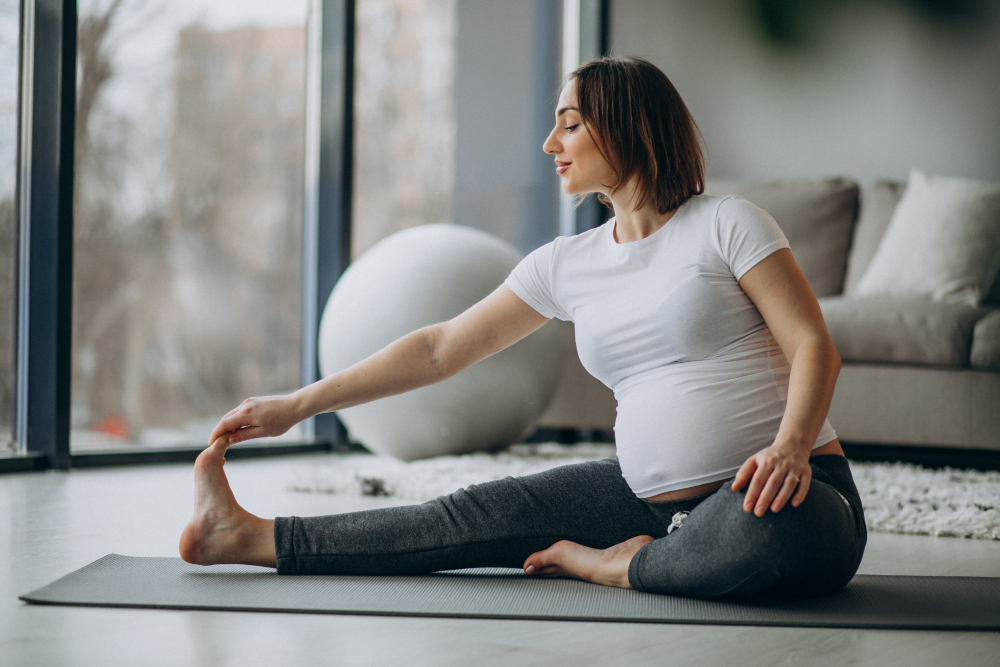
Introduction to Antenatal Exercises
Antenatal exercises are gentle movements done during pregnancy. These activities help keep both mother and baby healthy. In fact, many experts, including the WHO, recommend safe antenatal exercises for most pregnant women. Not only do these exercises support your body, but they also prepare you for childbirth. However, it is important to follow safety tips and best practices for the best results.
Benefits of Antenatal Exercises for Mother and Baby
Regular antenatal exercises offer many advantages. For mothers, these activities can:
For babies, safe antenatal exercises may help with healthy growth. Additionally, regular movement can improve blood flow to the baby. As a result, both mother and baby benefit from staying active during pregnancy.
Types of Safe Antenatal Exercises
There are many safe antenatal exercises you can try. For example, walking is gentle and easy for most women. Swimming is another good choice because it supports your body weight. In addition, you might enjoy:
However, always choose activities that feel comfortable. If you are unsure, ask your healthcare provider for advice.
Safety Guidelines and Precautions
Before starting any pregnancy exercise, it is wise to follow some safety tips. First, talk to your doctor or physiotherapist. They can help you choose safe antenatal exercises for your needs. Next, remember these important points:
Furthermore, avoid contact sports or activities with a high risk of falling. Always listen to your body and rest when needed.
How to Start an Antenatal Exercise Routine
Starting a new routine can feel overwhelming. However, you can begin with small steps. For instance, try walking for 10 minutes each day. Over time, you can slowly increase the duration. Additionally, join a prenatal exercise class if available in your area. These classes offer guidance and support from trained professionals. Remember, consistency is more important than intensity. Even gentle movement counts as exercise.
When to Avoid or Stop Exercising (Warning Signs)
Sometimes, it is best to avoid or stop exercising. Watch for these warning signs:
If you notice any of these symptoms, stop exercising right away. Then, contact your healthcare provider for advice. Your safety and your baby’s health always come first.
Frequently Asked Questions (FAQs)
Conclusion
In summary, safe antenatal exercises offer many benefits for both mother and baby. With the right guidance, you can stay active and healthy during pregnancy. However, every pregnancy is unique. Consult a physiotherapist or healthcare provider before starting any antenatal exercise program.