
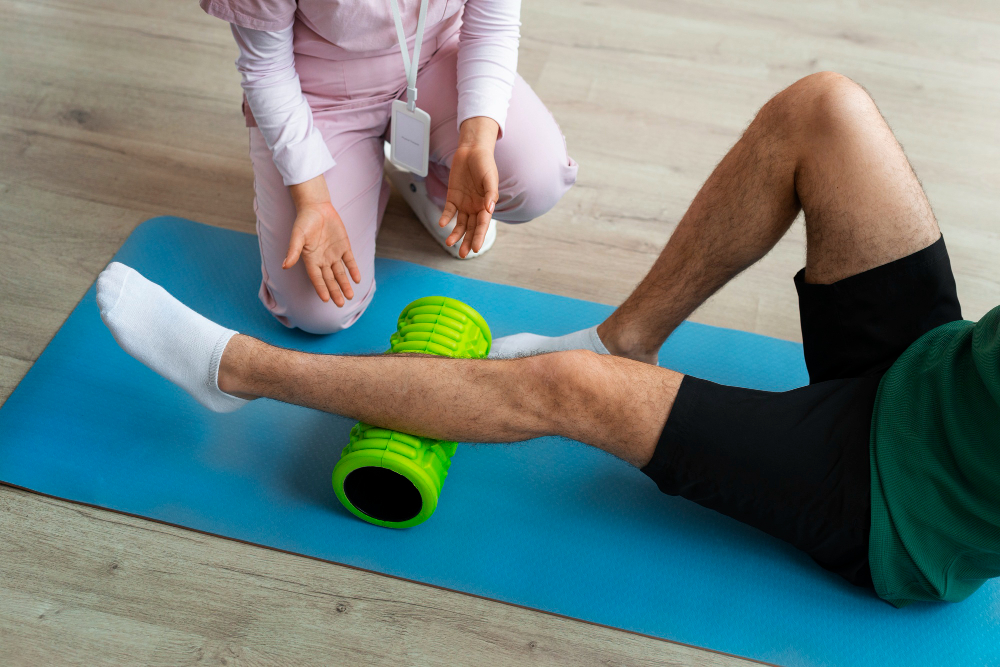
Introduction to Total Knee Replacement and Rehabilitation
Total knee replacement (TKR) is a common surgery for people with severe knee pain. After surgery, rehabilitation is key for a smooth recovery. In fact, rehabilitation after total knee replacement focuses on mobility training. This helps you regain movement and strength. With the right steps, you can return to daily activities faster. According to the World Health Organization (WHO), early rehab improves long-term results.
Importance of Mobility Training After TKR
Mobility training after TKR is very important. It helps you walk, climb stairs, and move safely. Moreover, it reduces pain and swelling. Mobility training also prevents stiffness and blood clots. For example, gentle movement keeps your new knee joint flexible. In addition, it builds muscle strength around the knee. This support lowers the risk of falls and injuries. Therefore, starting mobility exercises early is vital for a full recovery.
Key Mobility Exercises and Techniques
There are several safe exercises for knee replacement recovery. Always follow your physiotherapist’s advice. Here are some common mobility exercises:
Additionally, walking with a walker or crutches helps you practice safe mobility after knee surgery. Over time, you can add more advanced exercises as you heal.
Timeline and Stages of Mobility Recovery
Recovery after TKR happens in stages. Each stage has its own goals and exercises. Here is a general timeline:
Remember, everyone heals at their own pace. Always check with your physiotherapist before changing your routine.
Tips for Safe and Effective Mobility Training at Home
For best results, follow these tips for mobility training after TKR at home:
Furthermore, keep a progress journal. This helps you track improvements and stay motivated.
Common Challenges and How to Overcome Them
Many people face challenges during rehabilitation after total knee replacement. However, you can overcome most with patience and support. Common issues include:
If you feel stuck, talk to your physiotherapist. They can adjust your plan for better results.
When to Seek Professional Help
Sometimes, you may need extra help during recovery. Seek professional advice if you notice:
Additionally, if you feel unsure about any exercise, consult your physiotherapist. Rehabilitation centers in your area can offer extra support if needed.
Prevention of Complications During Rehabilitation
Preventing problems is easier than treating them. To avoid complications during rehabilitation after total knee replacement, follow these steps:
Moreover, staying active and positive can speed up your recovery.
Consult a physiotherapist or rehabilitation specialist for personalized guidance.