
Introduction
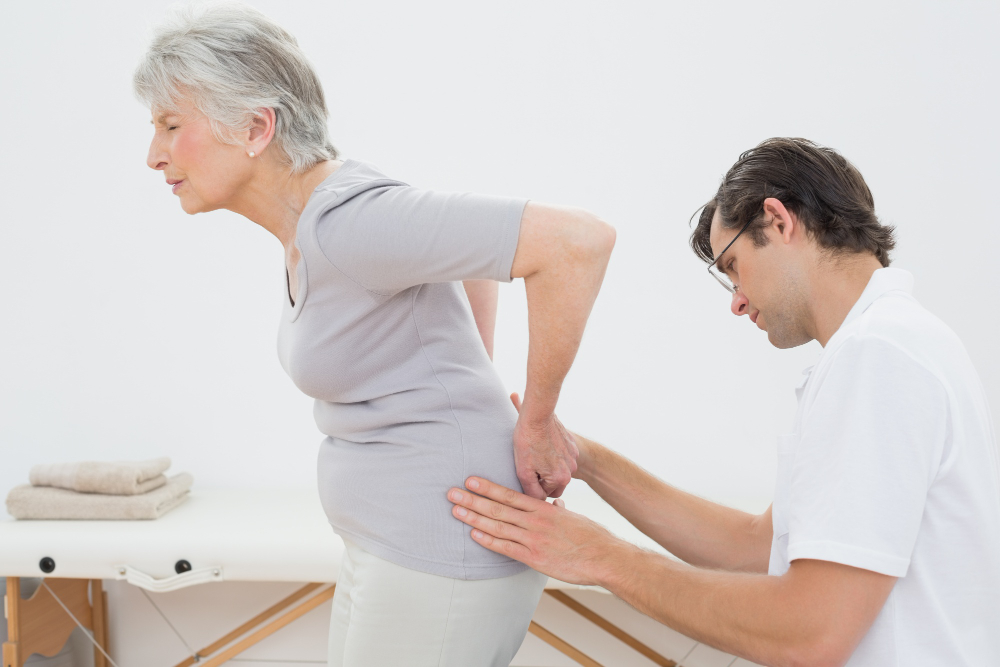
As we age, our spine goes through natural changes. These changes can affect how we stand, sit, and move. Posture correction for age-related spine changes is important for staying active and pain-free. Good posture helps keep your back strong and healthy. In this guide, you will learn why posture matters, what changes to expect, and how to improve your spine health.
Common Symptoms of Age-Related Spine Changes
Many people notice changes in their back as they get older. For example, you may feel stiff or sore. Sometimes, you might notice you are not as tall as before. Other symptoms can include:
However, not everyone will have all these symptoms. If you notice any of these signs, it may be time to focus on posture correction.
Causes and Risk Factors
Several things can cause age-related spine changes. As we get older, the bones and discs in our back can wear down. This can make the spine less flexible. In addition, weak muscles and less movement can make things worse. Some common risk factors include:
Because these factors add up, it is important to take action early.
How Poor Posture Affects the Aging Spine
Poor posture can make spine changes worse. For example, slouching puts extra stress on your back. Over time, this can lead to pain and even more changes in the spine. In addition, poor posture can make it harder to breathe deeply or move easily. It may also increase your risk of falls. Therefore, correcting your posture can help you feel better and stay active.
Diagnosis and Assessment
If you have back pain or notice changes in your posture, a doctor can help. Usually, they will ask about your symptoms and check how you stand and move. Sometimes, they may use X-rays or other tests to look at your spine. Early diagnosis helps you get the right treatment. For this reason, do not ignore ongoing pain or changes in your back.
Effective Posture Correction Strategies
There are many ways to improve your posture and support your spine. Here are some simple tips and exercises:
Because small changes add up, try to practice these tips every day.
Lifestyle Changes and Prevention
Healthy habits can slow down spine changes and improve posture. For example, eating a balanced diet helps keep your bones strong. In addition, staying active keeps your muscles working well. Here are some ways to protect your spine as you age:
Because prevention is easier than treatment, start these habits early.
When to Seek Professional Help
Sometimes, home care is not enough. If you have severe pain, numbness, or trouble walking, see a doctor. In addition, if your posture keeps getting worse, a physiotherapist can help. They can show you safe exercises and give advice for your needs. Therefore, do not wait if you have concerns about your spine health.
Conclusion and Call-to-Action
To sum up, posture correction for age-related spine changes is key for staying healthy as you age. Simple steps can make a big difference. However, if you have ongoing pain or trouble moving, consult a physiotherapist for personalized posture correction advice.