
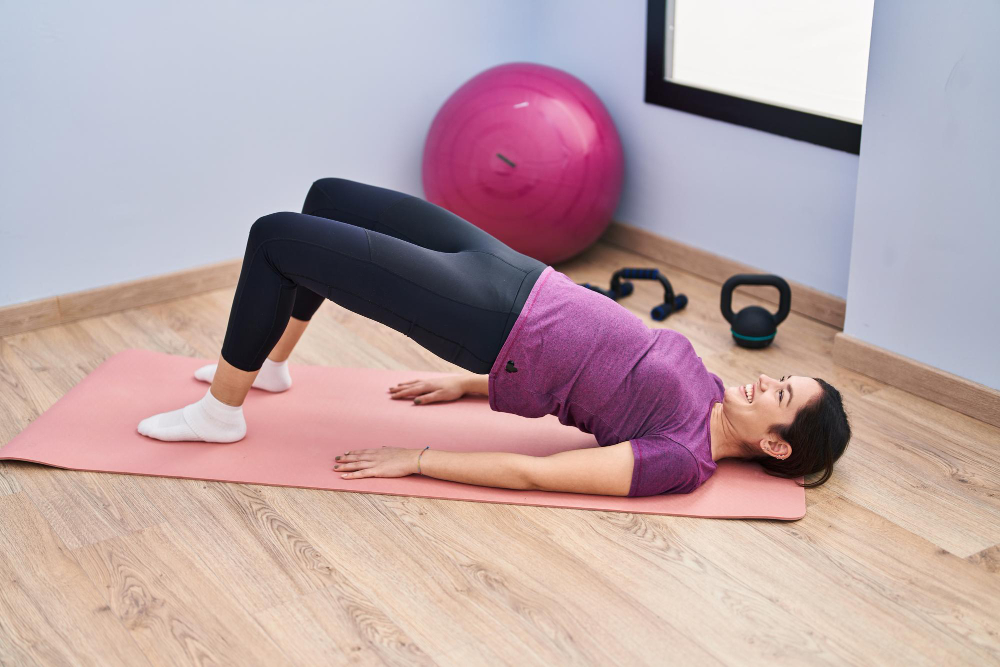
Pelvic floor exercises for bladder control are simple movements that help strengthen the muscles supporting your bladder. Many people do not realize these muscles play a big role in bladder health. However, weak pelvic floor muscles can lead to leaks or trouble holding urine. By learning how to strengthen your pelvic floor, you can prevent urinary incontinence naturally and enjoy better bladder control.
What Are Pelvic Floor Muscles?
First, it helps to know what pelvic floor muscles are. These muscles form a hammock-like layer at the bottom of your pelvis. They support your bladder, bowel, and, in women, the uterus. Because they control the flow of urine, strong pelvic floor muscles are important for bladder health. If these muscles become weak, you may notice leaks or a sudden urge to go to the bathroom.
How Do Pelvic Floor Exercises Help Bladder Control?
Pelvic floor exercises, also called Kegel exercises, help you gain better control over your bladder. When you do these exercises, you tighten and relax the muscles that stop urine flow. Over time, this makes the muscles stronger. As a result, you may notice fewer leaks and less urgency. In fact, studies show that regular bladder control exercises can reduce symptoms of urinary incontinence (CDC).
Common Symptoms of Weak Pelvic Floor Muscles
Many people experience signs of weak pelvic floor muscles. For example, you might notice:
Because these symptoms can affect daily life, it is important to address them early.
Step-by-Step Guide to Pelvic Floor Exercises
Now, let’s learn how to do pelvic floor exercises for bladder control. Follow these steps:
Remember, do not hold your breath. Breathe normally throughout the exercise. Over time, you can increase the hold time as your muscles get stronger.
Tips for Success and Common Mistakes
For best results, keep these tips in mind:
However, avoid these common mistakes:
When to See a Healthcare Professional
Sometimes, pelvic floor exercises alone may not be enough. For example, if you do not see improvement after a few months, talk to a healthcare provider. Also, if you have pain, blood in your urine, or trouble starting urination, seek medical advice. A physiotherapist can show you the right way to do bladder control exercises and help you avoid mistakes.
Prevention and Lifestyle Guidance
Besides exercises, some lifestyle changes can help prevent urinary incontinence naturally:
In summary, small changes can make a big difference in bladder health.
Consult a physiotherapist or healthcare provider for personalized guidance on pelvic floor exercises.