
Introduction
Breaking a bone can be painful and stressful. However, fracture rehabilitation is key to healing well. Physiotherapy for broken bones helps speed up fracture recovery and restores movement. In this blog, you will learn how physical therapy after a fracture can make a big difference. We will also share tips for a safe and fast recovery.
What Are Bone Fractures?
A bone fracture means a break or crack in a bone. Sometimes, it happens from a fall, accident, or sports injury. There are different types of fractures, such as:
After a fracture, doctors often use casts, splints, or surgery to help the bone heal. But healing does not stop there. Rehabilitation is just as important.
Why Is Rehabilitation Important After a Fracture?
After the bone starts to heal, muscles and joints around it can become weak or stiff. Without proper care, you may lose strength or movement. For example, you might find it hard to walk or lift things. Therefore, rehabilitation helps you regain normal use of your limb. According to the World Health Organization (WHO), early rehab can lower the risk of long-term problems.
How Physiotherapy Aids Recovery
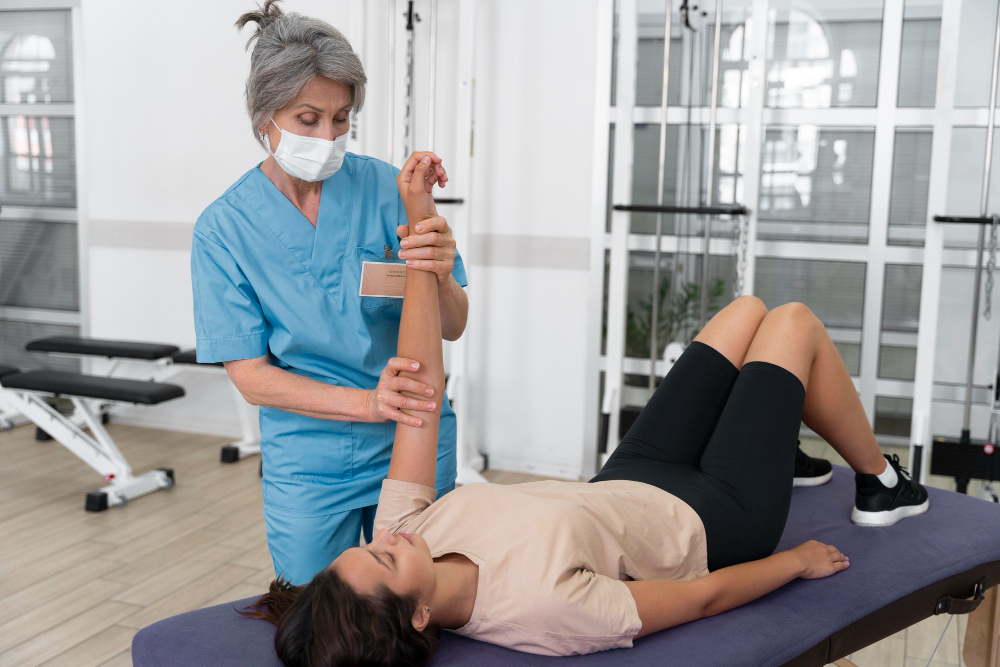
Physiotherapy for broken bones is a key part of fracture rehabilitation. It helps you move safely and regain strength. In addition, it can reduce pain and swelling. A physiotherapist will guide you through gentle exercises. Over time, these exercises help restore movement and function. As a result, you can return to your daily activities sooner.
Key Physiotherapy Techniques for Fracture Rehabilitation
Physiotherapists use many techniques to help you heal. Some common methods include:
Each plan is tailored to your needs. Your physiotherapist will adjust exercises as you heal.
Benefits of Early Physiotherapy
Starting physiotherapy soon after a fracture can offer many benefits. For instance, it can:
According to the Centers for Disease Control and Prevention (CDC), early movement helps bones and muscles heal better. However, always follow your doctor’s advice before starting exercises.
Tips for a Successful Recovery
Recovering from a fracture takes time and patience. But with the right steps, you can heal faster. Here are some helpful tips:
Most importantly, listen to your body and ask for help if you need it.
Prevention of Future Fractures
Once you recover, it is wise to protect your bones. For example, you can:
By taking these steps, you can lower your risk of another fracture.
Conclusion
In summary, fracture rehabilitation and physiotherapy for broken bones play a vital role in healing. Early and guided physical therapy after a fracture can speed up recovery and help you regain your strength. If you have suffered a fracture, consult a qualified physiotherapist for personalized fracture rehabilitation guidance.