
What Is an ACL Injury?
The ACL, or anterior cruciate ligament, is a strong band inside your knee. It helps keep your knee stable. However, sports, falls, or sudden twists can tear the ACL. When this happens, you may feel pain, swelling, or your knee may give way. Many people need surgery to fix a torn ACL. But, before surgery, doctors now suggest a special step called “pre-hab.” This is short for prehabilitation. It means doing rehab before surgery. ACL recovery is smoother when you start with pre-hab. Experts call this “ACL prehabilitation.” It helps you get ready for ACL surgery and improves your chances of a strong recovery. Physical therapy for ACL injuries is a key part of this process.
What Is “Pre-hab” and How Does It Work?
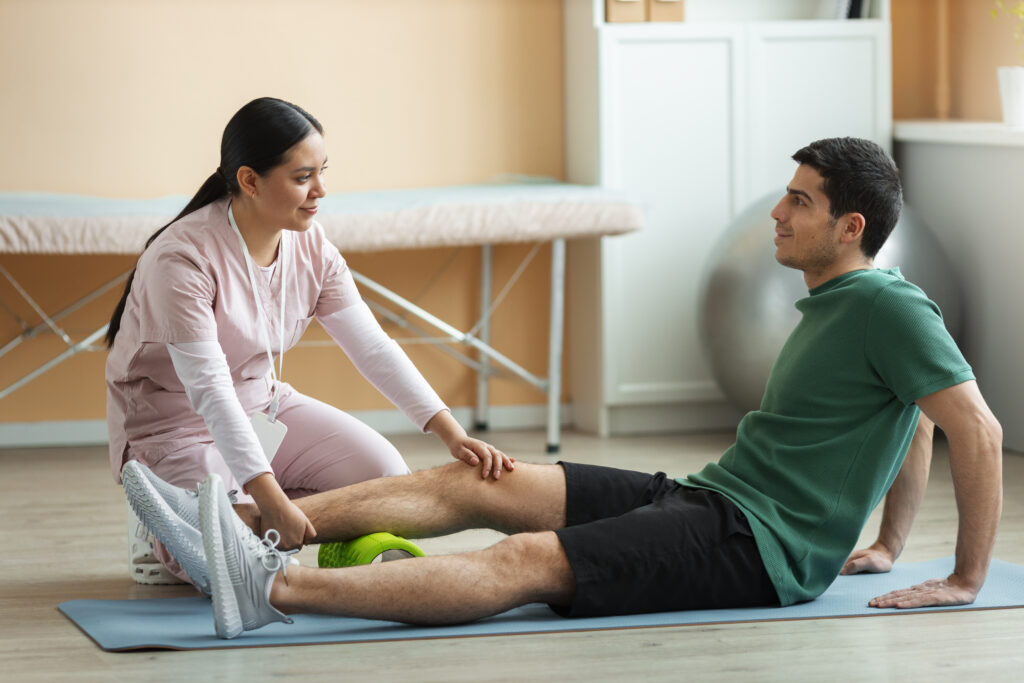
Pre-hab is a set of exercises and treatments done before your ACL surgery. Instead of waiting for surgery, you start working with a physiotherapist right away. This early rehab helps your knee get stronger and more flexible. As a result, your body is better prepared for surgery. During pre-hab, you learn safe ways to move and protect your knee. Your therapist will guide you through each step. For example, you may work on balance, strength, and gentle stretches. In many cases, pre-hab can also help reduce pain and swelling before surgery.
Key Benefits of Pre-hab Before ACL Surgery
Choosing pre-hab before ACL surgery offers many advantages. Not only does it help your knee, but it also prepares your whole body for recovery. Here are some key benefits:
According to studies in medical journals, patients who do pre-hab often regain movement faster after surgery. The World Health Organization also supports early rehab for better results.
What to Expect During Pre-hab: Typical Exercises and Goals
During pre-hab, your physiotherapist will create a plan just for you. The main goals are to reduce swelling, improve strength, and keep your knee moving. Here is what you can expect:
Each session is tailored to your needs. Over time, you will notice your knee feels stronger and more stable. This makes the surgery and recovery easier.
How Pre-hab Improves Post-Surgery Recovery
Pre-hab does more than prepare you for surgery. It also helps you heal faster afterward. Because your muscles are stronger and your knee is less swollen, you can start post-surgery rehab sooner. For example, you may find it easier to walk with crutches or do early exercises. Studies show that people who do pre-hab often return to sports or daily activities more quickly. In addition, they may have less pain and better knee movement. This is why many doctors now recommend pre-hab as part of ACL injury recovery.
Tips for Choosing a Physiotherapist for ACL Pre-hab
Finding the right physiotherapist is important for your ACL rehabilitation. Here are some tips to help you choose:
Most importantly, choose someone who listens to your needs and explains each step clearly.
Frequently Asked Questions About ACL Pre-hab
In summary, pre-hab is a smart step for anyone facing ACL surgery. It helps you heal faster and return to your favorite activities. Consult a qualified physiotherapist to discuss if ACL pre-hab is right for you.