
Introduction
Many women face pelvic floor issues at some point in life. Physiotherapy for pelvic floor issues in women offers safe and effective relief. The pelvic floor is a group of muscles that support the bladder, uterus, and bowel. When these muscles are weak or tight, problems can occur. Good pelvic floor health is important for comfort, bladder control, and daily activities. Early care can prevent long-term problems and improve quality of life.
What Are Pelvic Floor Issues in Women?
The pelvic floor is a set of muscles at the base of the pelvis. These muscles help control the bladder and bowel. They also support the uterus. When these muscles do not work well, women may have pelvic floor issues. For example, some women may leak urine when they cough or sneeze. Others may feel pain or pressure in the pelvic area. Pelvic floor issues can affect women of all ages.
Common Symptoms and Causes
Pelvic floor problems can show up in many ways. Some common symptoms include:
There are several causes of pelvic floor issues in women. For instance, pregnancy and childbirth can stretch or weaken these muscles. Aging, being overweight, and heavy lifting can also play a role. Sometimes, surgery or long-term coughing can cause problems too. According to the World Health Organization (WHO), pelvic floor disorders are common and can impact daily life.
How Physiotherapy Helps: Techniques and Approaches
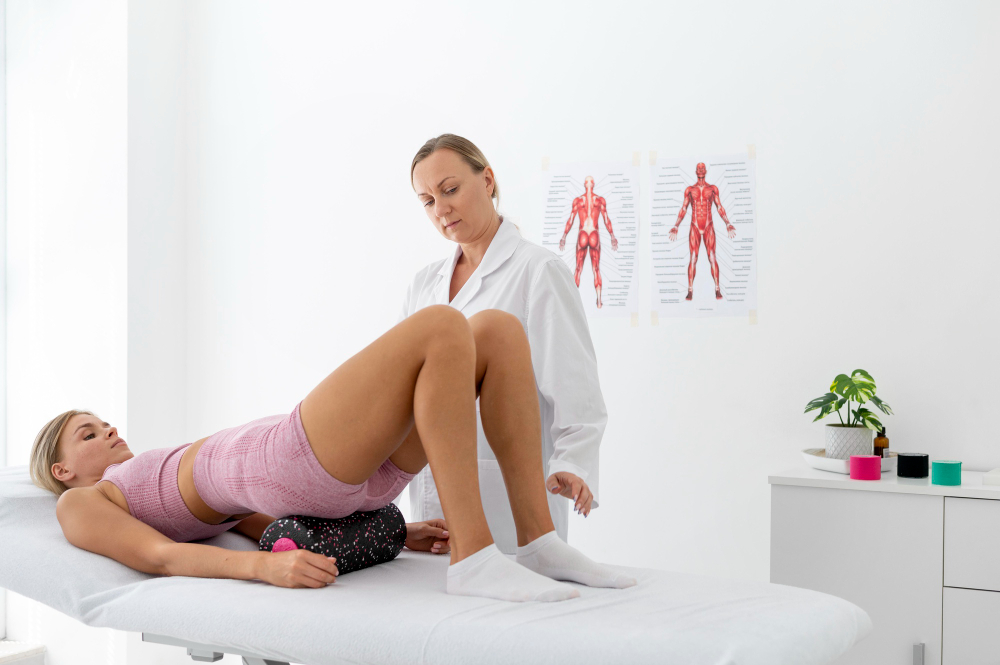
Physiotherapy treatment for pelvic pain and other pelvic floor issues uses gentle, targeted exercises. These exercises help strengthen or relax the pelvic floor muscles. A trained physiotherapist will first assess your needs. Then, they will create a plan just for you. Some common physiotherapy techniques include:
In addition, physiotherapists may teach you how to avoid habits that make symptoms worse. Pelvic floor physiotherapy for women is safe and does not involve surgery or medicine.
Benefits of Physiotherapy for Pelvic Floor Health
Physiotherapy offers many benefits for women’s pelvic health. For example, it can:
Moreover, studies in medical journals show that pelvic floor physiotherapy is effective for many women. It is a safe, non-invasive way to manage symptoms and regain control.
What to Expect During Physiotherapy Sessions
At your first visit, the physiotherapist will ask about your symptoms and health history. They may do a gentle exam to check your pelvic floor muscles. After that, you will get a treatment plan. Each session may include:
Sessions are private and respectful. You can ask questions at any time. Over time, you may notice less pain and better control.
Lifestyle Tips and Prevention Strategies
Besides physiotherapy, some simple steps can help keep your pelvic floor healthy. For instance:
Additionally, avoid smoking, as it can lead to coughing and strain the pelvic floor. Making these changes can support your treatment and help prevent future issues.
When to Seek Professional Help
If you notice symptoms like pain, urine leakage, or pressure in your pelvis, do not wait. Early care can make a big difference. See a doctor or a qualified physiotherapist if:
Remember, you are not alone. Many women face these issues, and help is available. The Centers for Disease Control and Prevention (CDC) also recommends seeking care for pelvic health concerns.
Consult a qualified physiotherapist for personalized pelvic floor care.