
Introduction
Stroke is a sudden event that affects blood flow to the brain. It can cause weakness, speech problems, and even memory loss. Many people experience cognitive impairment after stroke. This means they may have trouble thinking, remembering, or making decisions. Restoring cognitive function after stroke is important for daily life. Physiotherapy plays a key role in stroke rehabilitation. It helps patients regain both physical and mental abilities. In this blog, we will explore how physiotherapy supports cognitive recovery after stroke.
What Is Cognitive Impairment After Stroke?
After a stroke, some people find it hard to think clearly. This is called cognitive impairment. For example, they may forget names, struggle to focus, or have trouble planning tasks. Sometimes, these changes are mild. Other times, they are more severe. According to the World Health Organization (WHO), about one-third of stroke survivors face some level of cognitive difficulty. Because these changes can affect daily life, early support is important.
How Physiotherapy Supports Cognitive Recovery
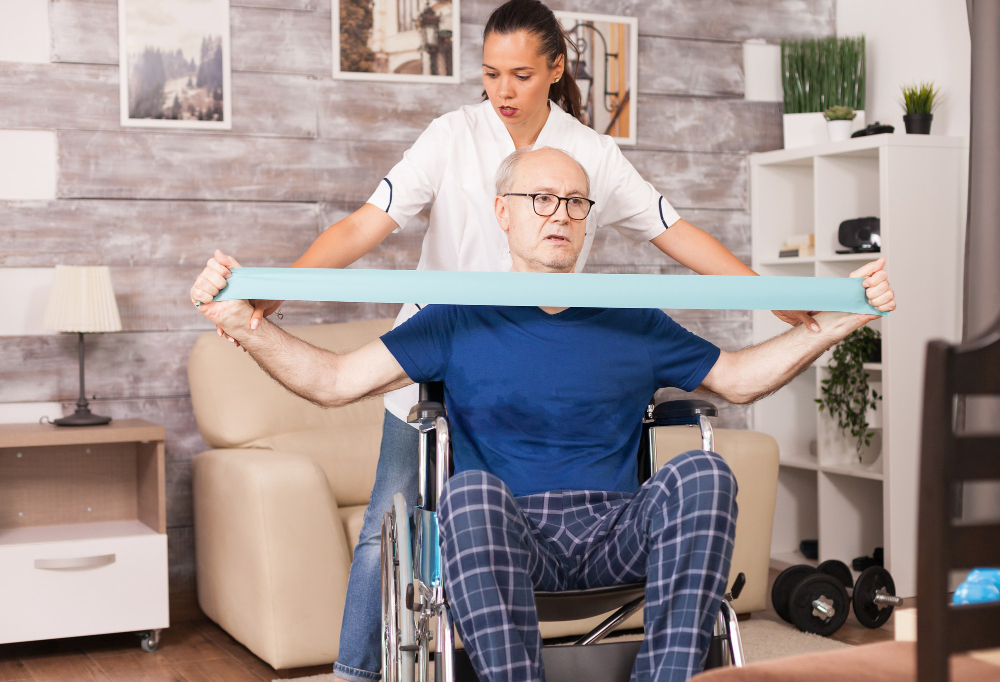
Physiotherapy is not just for movement. It also helps the brain heal and adapt. Through guided exercises, physiotherapists help patients use both their bodies and minds. For instance, simple tasks like walking or reaching can improve attention and memory. In addition, physiotherapists teach patients how to solve problems and set goals. As a result, stroke rehabilitation physiotherapy supports both physical and cognitive recovery after stroke.
Key Physiotherapy Techniques for Cognitive Rehabilitation
Physiotherapists use many techniques to help stroke patients. Some common methods include:
Because every patient is different, physiotherapists create personalized plans. They adjust exercises based on each person’s needs and progress.
Benefits of Early Physiotherapy Intervention
Starting physiotherapy soon after a stroke leads to better results. Early intervention helps prevent further loss of function. Moreover, it encourages the brain to heal faster. Studies from the Centers for Disease Control and Prevention (CDC) show that early therapy improves both movement and thinking skills. Patients who begin rehabilitation early often regain independence more quickly. Therefore, it is important to seek help as soon as possible.
Tips for Patients and Caregivers
Recovering from a stroke can be challenging. However, there are ways to support cognitive recovery at home:
Additionally, caregivers should look after their own health. Support groups and counseling can help manage stress.
Prevention and Long-Term Management
Preventing another stroke is key to long-term health. Patients should follow their doctor’s advice on medication, diet, and exercise. Regular physiotherapy can help maintain both physical and cognitive abilities. Furthermore, staying active and social can boost brain health. For ongoing support, keep in touch with your healthcare team. They can adjust your plan as your needs change.
Conclusion
Restoring cognitive function after stroke is possible with the right support. Physiotherapy for stroke patients plays a vital role in recovery. Early and regular therapy helps improve thinking, memory, and daily skills. If you or a loved one has had a stroke, consult a physiotherapist or healthcare specialist for personalized stroke recovery guidance.