
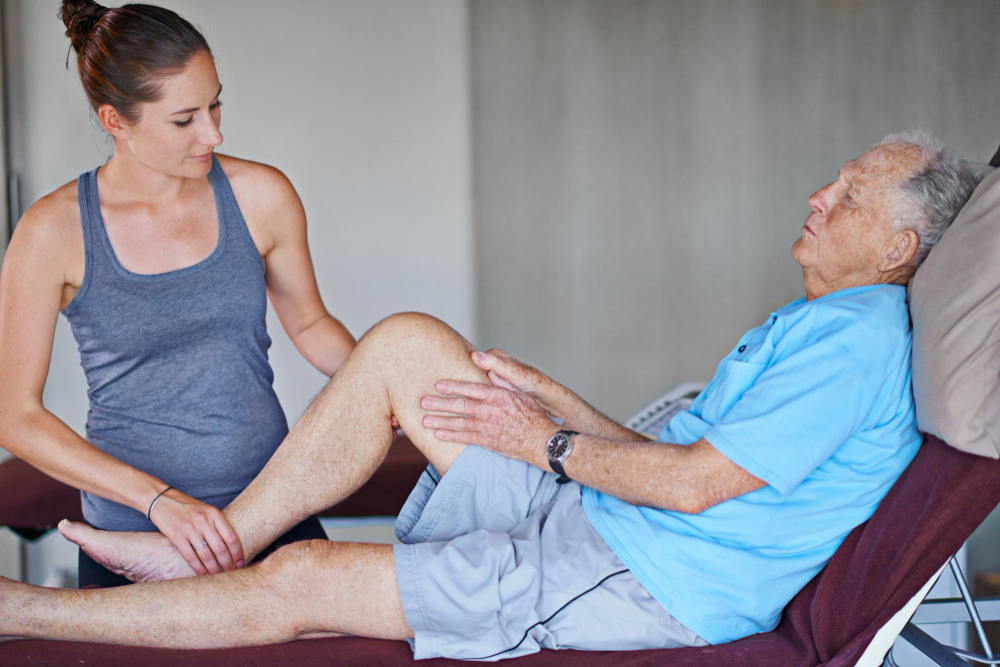
Post-fracture rehabilitation in elderly patients is the process of helping seniors recover after a bone break. This care is important because older adults often heal more slowly. As a result, they need special support to regain strength and move safely. In this guide, you will learn about elderly fracture recovery, key rehabilitation exercises for seniors, and tips for safe home recovery after fracture.
Common Fractures in the Elderly
Older adults are more likely to break bones due to weaker bones and balance problems. For example, a simple fall can cause a fracture. The most common fractures in the elderly include:
Because bones become thinner with age, even small accidents can lead to breaks.
Why Rehabilitation Is Essential After a Fracture
After a fracture, rehabilitation helps seniors regain movement and strength. Without proper rehab, older adults may lose their ability to walk or do daily tasks. In addition, they may face a higher risk of falls or other injuries. Therefore, starting rehabilitation early can improve recovery and quality of life.
Key Goals of Post-Fracture Rehabilitation
Rehabilitation has several important goals. These include:
With these goals in mind, seniors can work toward a full recovery.
Typical Rehabilitation Process and Timeline
The rehabilitation process often starts soon after the fracture is treated. Usually, a team of doctors, nurses, and therapists will create a plan. The process may include:
Most elderly fracture recovery plans last from a few weeks to several months. However, the exact timeline depends on the type of fracture and the patient’s health.
Physical Therapy Techniques and Exercises
Physical therapy is a key part of rehabilitation. Therapists use many techniques to help seniors recover. For example, they may teach:
In addition, therapists may use tools like resistance bands or light weights. Always follow the therapist’s advice to avoid injury.
Preventing Complications During Recovery
Complications can slow recovery or cause new problems. Therefore, it is important to watch for signs such as:
If any of these occur, contact a doctor right away. Moreover, regular movement and good nutrition can help prevent issues like blood clots or muscle loss.
Tips for Safe Home Recovery
Recovering at home can be safe with the right steps. Consider these tips for safe home recovery after fracture:
Additionally, regular check-ins with your healthcare team can support a smooth recovery.
When to Seek Professional Help
Sometimes, problems can arise during recovery. Seek professional help if you notice:
Furthermore, if you feel unsure about your progress, contact a rehabilitation specialist. Many rehabilitation centers in your area can provide extra support.
In summary, post-fracture rehabilitation in elderly patients is vital for a safe and full recovery. Consult a physiotherapist or rehabilitation specialist for personalized guidance on post-fracture recovery.