
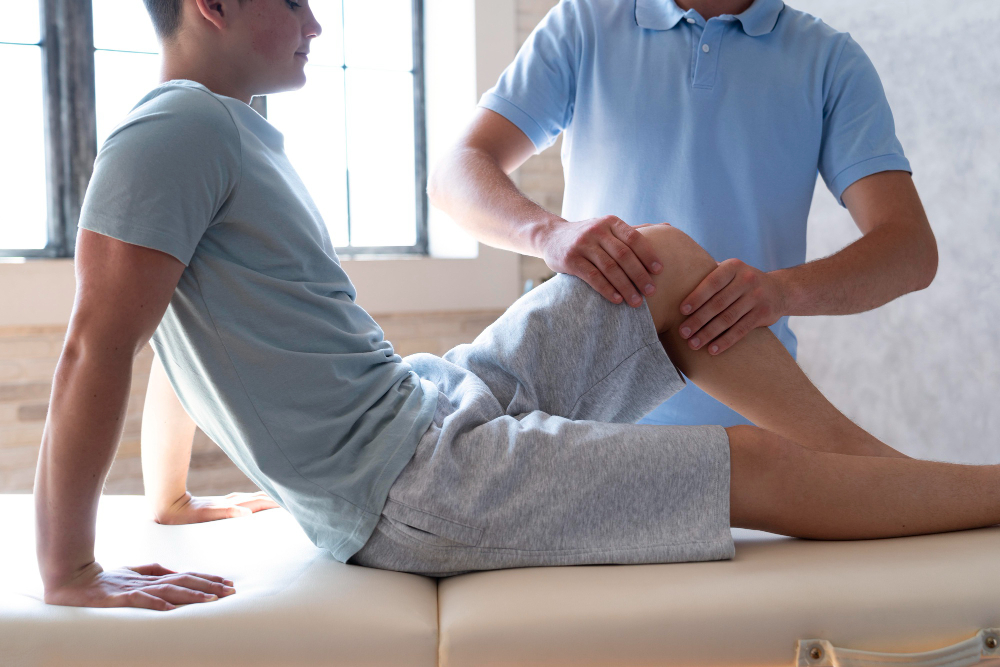
Introduction to Knee Pain Physiotherapy
Knee pain physiotherapy helps people manage and reduce knee pain. Many people experience knee pain at some point in their lives. Because the knee is a major joint, it is important to keep it healthy. Physiotherapy uses safe and proven methods to treat knee pain. Early treatment can help you move better and avoid long-term problems. If you are searching for “knee pain physiotherapy near me,” you are not alone. Many people seek help for knee pain every year.
Common Symptoms of Knee Pain
Knee pain can feel different for each person. However, some symptoms are common. For example, you may notice:
If you have any of these symptoms, physiotherapy can help.
Causes of Knee Pain Addressed by Physiotherapy
There are many reasons for knee pain. Often, physiotherapy can help with the following causes:
Sometimes, knee pain comes from overuse or sudden injury. In other cases, it develops slowly over time. Either way, physiotherapy offers safe solutions.
How Physiotherapists Diagnose Knee Pain
First, a physiotherapist will ask about your symptoms and medical history. Next, they will check your knee’s movement and strength. Sometimes, they may use simple tests to find the cause of pain. If needed, they may suggest an X-ray or MRI. However, most knee pain can be diagnosed with a physical exam. This careful approach helps create a treatment plan that fits your needs.
Evidence-Based Physiotherapy Treatments
Physiotherapists use proven methods to treat knee pain. For example, they may use:
These treatments are safe and effective. According to the World Health Organization, early physiotherapy can help prevent long-term knee problems.
Recommended Exercises for Knee Pain Relief and Strengthening
Exercise is a key part of knee pain physiotherapy. However, it is important to do the right exercises. Some helpful exercises include:
Always start slowly and increase as you get stronger. If you feel pain, stop and talk to your physiotherapist.
Lifestyle and Home Care Tips for Managing Knee Pain
Besides exercises, daily habits can help manage knee pain. For example:
These simple steps can make a big difference in your recovery.
Prevention Strategies for Knee Pain
Preventing knee pain is possible with a few changes. For instance:
By following these tips, you can lower your risk of knee injuries.
When to Consult a Physiotherapist
If knee pain lasts more than a few days, it is wise to seek help. Also, if you notice swelling, weakness, or trouble moving your knee, consult a physiotherapist. Early care can speed up healing and prevent further problems. Remember, a physiotherapist can create a plan just for you.
Conclusion
Knee pain physiotherapy offers safe and effective ways to manage knee pain. With the right treatment, exercises, and lifestyle changes, you can feel better and stay active. For the best results, consult a qualified physiotherapist for personalized knee pain management.