Introduction
Physiotherapy for stroke plays a key role in helping people regain movement and strength. After a stroke, many people need stroke rehabilitation exercises to improve daily life. In fact, stroke recovery physiotherapy can boost confidence and independence. Physical therapy after stroke often starts soon after the event. Because early care matters, knowing what to expect can help you or your loved one recover better. This guide explains the benefits, techniques, and tips for stroke recovery. It also covers how to prevent another stroke through physical activity.
What is Stroke?
A stroke happens when blood flow to part of the brain stops. This can be due to a blocked or burst blood vessel. As a result, brain cells do not get enough oxygen. This can cause weakness, trouble speaking, or loss of balance. According to the World Health Organization (WHO), stroke is a leading cause of disability worldwide. However, with the right care, many people improve over time.
Importance of Physiotherapy After Stroke
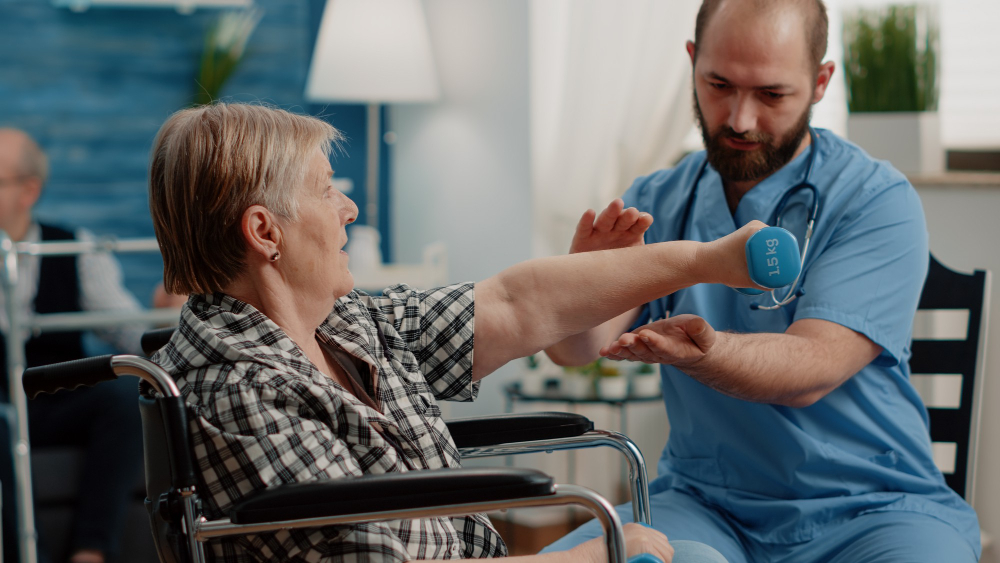
After a stroke, many people lose strength or movement on one side of the body. Because of this, daily tasks can become hard. Physiotherapy after stroke helps restore movement and function. Early therapy can also prevent stiff muscles and joint pain. In addition, it can lower the risk of falls. Most importantly, physiotherapy supports a return to normal life. The Centers for Disease Control and Prevention (CDC) recommends starting therapy as soon as possible.
Common Physiotherapy Techniques for Stroke Recovery
Physiotherapists use many methods to help stroke patients. Each plan is tailored to the person’s needs. Some common stroke rehabilitation exercises and techniques include:
Because every stroke is different, your physiotherapist will choose the best techniques for you.
Benefits of Physiotherapy for Stroke Patients
Physiotherapy for stroke offers many benefits. For example, it can help you:
Moreover, regular therapy can improve your mood and quality of life.
Tips for Maximizing Recovery at Home
While therapy sessions are important, home practice matters too. Here are some tips to help you recover at home:
Additionally, keep a journal to track your progress. This can help you stay motivated.
Prevention of Stroke Recurrence Through Physical Activity
After a stroke, staying active is key to preventing another one. Regular physical activity can:
For example, walking, gentle stretching, or light cycling can be safe options. However, always check with your doctor before starting new activities. The American Heart Association suggests at least 150 minutes of moderate activity each week for most adults.
When to Consult a Physiotherapist
If you or a loved one has had a stroke, consult a physiotherapist as soon as possible. Early therapy often leads to better results. You should also seek help if you notice:
Remember, a trained physiotherapist can create a plan that fits your needs and goals.
Conclusion
In summary, physiotherapy for stroke is vital for recovery and long-term health. With the right support, many people regain strength and independence. For the best results, start therapy early and stay active. Consult a specialist for personalized guidance.