
Introduction
Knee pain physiotherapy can help many people find relief from sore or stiff knees. If you have knee pain, safe exercises like straight leg raises may help. In this guide, you will learn how straight leg raises support knee pain physiotherapy and how to do them safely at home.
What Is Knee Pain?
Knee pain is a common problem for people of all ages. It can happen after an injury, overuse, or due to conditions like arthritis. Sometimes, knee pain comes from weak muscles or poor movement. Because the knee is a major joint, pain can make walking, climbing stairs, or even sitting hard. According to the CDC, knee pain is a leading cause of disability in adults.
How Physiotherapy Helps
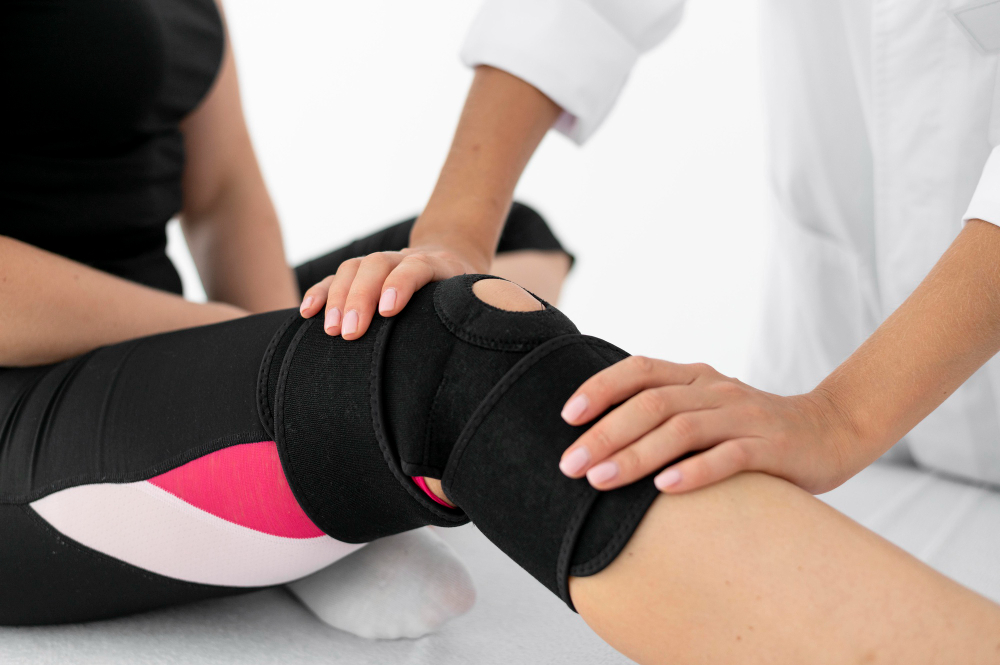
Physiotherapy uses exercises and treatments to reduce pain and improve movement. For knee pain, physiotherapists often teach safe knee pain exercises. These exercises help strengthen muscles around the knee. As a result, the knee gets better support and pain may decrease. In many cases, physiotherapy can help people avoid surgery or strong medicines.
What Are Straight Leg Raises?
Straight leg raises are a simple exercise used in knee pain physiotherapy. In this exercise, you lift your leg while keeping it straight. This move works the thigh muscles, especially the quadriceps. Because it does not bend the knee, it is gentle and safe for many people with knee pain. Physiotherapists often recommend straight leg raises for knee pain because they are easy to do at home.
Benefits of Straight Leg Raises for Knee Pain
Straight leg raises offer several benefits for people with knee pain. For example, they:
Because these exercises are gentle, they are often safe for people with mild to moderate knee pain. However, always check with a physiotherapist before starting new exercises.
Step-by-Step Guide to Performing Straight Leg Raises
To get the most from straight leg raises for knee pain, follow these steps:
For best results, try to do this exercise 1 to 2 times a day. But, always listen to your body and stop if you feel sharp pain.
Safety Tips and Precautions
Even though straight leg raises are safe for most people, it is important to follow these tips:
Additionally, always warm up before exercising to protect your joints and muscles.
When to See a Physiotherapist
While many people can do straight leg raises at home, sometimes you need expert help. See a physiotherapist if:
Physiotherapists can create a plan just for you. They may suggest other physiotherapy exercises for knee pain or use special treatments to help you heal.
Conclusion
In summary, straight leg raises are a simple and safe way to support knee pain physiotherapy. They help strengthen your thigh muscles and improve knee support. However, always use proper form and listen to your body. If you have ongoing pain, consult a physiotherapist for personalized knee pain management.