
Introduction
Traumatic brain injury (TBI) can change a person’s life in many ways. It happens when a sudden blow or jolt to the head disrupts normal brain function. Because the brain controls so much, recovery after TBI is very important. Comprehensive recovery means using many approaches to help people heal and regain their abilities. With the right support, many people can improve and return to daily life.
What is Traumatic Brain Injury?
Traumatic brain injury, or TBI, is an injury to the brain caused by an outside force. For example, it can happen during a fall, car accident, or sports injury. Sometimes, the injury is mild, like a concussion. Other times, it is more serious and can cause lasting problems. TBI can affect thinking, movement, emotions, and even sleep. Because the brain is complex, each person’s experience with TBI is different.
Common Causes of TBI
Many things can cause a traumatic brain injury. However, some causes are more common than others. Knowing these can help you stay safe. The most frequent causes include:
Because accidents can happen anywhere, it is important to be aware and take steps to prevent injury.
Symptoms and Diagnosis
After a TBI, symptoms can appear right away or develop over time. Some people may feel fine at first but notice problems later. Common symptoms include:
Doctors use several methods to diagnose TBI. For example, they may ask about the injury, check reflexes, and order brain scans like CT or MRI. Early diagnosis helps guide the best treatment plan.
The Role of Physical Medicine and Rehabilitation in Recovery
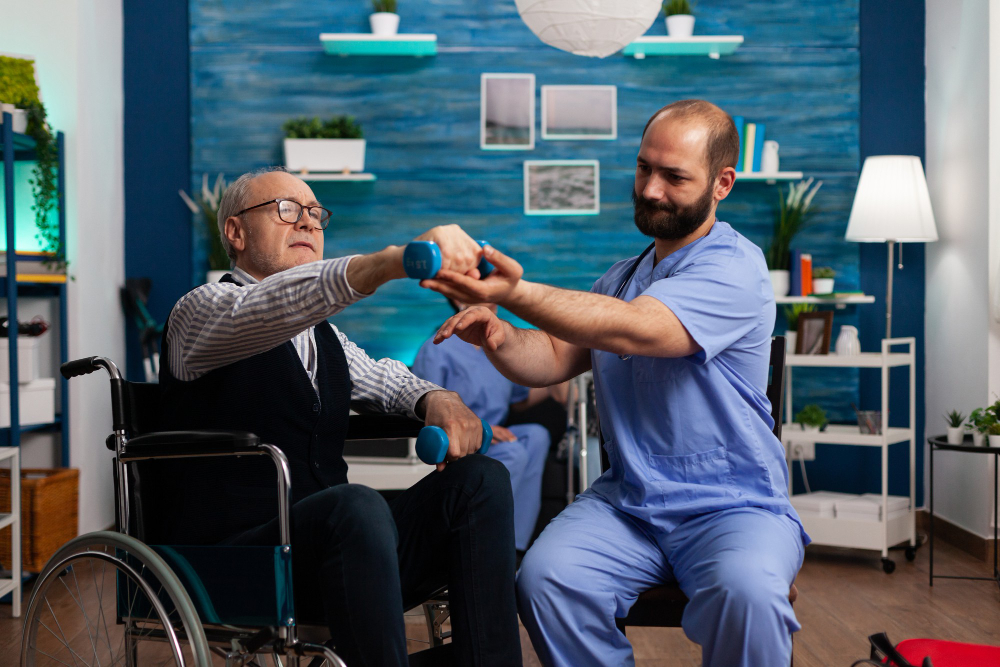
Physical medicine and rehabilitation play a key role in TBI recovery. These services help people regain lost skills and improve their quality of life. For instance, rehabilitation may include:
Because every person is different, rehabilitation plans are tailored to each patient’s needs. In many cities, you can find TBI rehabilitation centers that offer these services.
Treatment Approaches and Therapies
Treatment for TBI depends on how severe the injury is. Mild cases may only need rest and monitoring. However, moderate or severe injuries often require more care. Common treatment approaches include:
Because recovery can take time, ongoing therapy and support are important. Many people benefit from a team approach, where doctors, therapists, and family work together.
Lifestyle Tips for Recovery
Recovering from TBI is a journey. While medical care is vital, daily habits also make a big difference. Here are some tips to support recovery:
Because everyone heals at their own pace, it is important to be patient and celebrate small steps forward.
Prevention Strategies
Although not all TBIs can be prevented, many steps can lower the risk. For example, you can:
Because prevention is easier than treatment, these simple actions can protect you and your loved ones.
When to Seek Medical Help
After a head injury, it is important to watch for warning signs. Seek medical help right away if you notice:
Because early treatment can prevent further harm, do not wait if you are unsure. Always consult a doctor if you have concerns after a head injury.
For the best results, consult a rehabilitation specialist for personalized guidance on traumatic brain injury recovery.