
What Is Winter Joint Pain?
Many people notice joint pain during winter. This is called winter joint pain. It often affects knees, hips, hands, and shoulders. For some, the pain is mild. For others, it can stop daily activities. Winter joint pain can affect anyone, but it is more common in older adults and people with arthritis.
Common Symptoms and Causes of Winter Joint Pain
Winter joint pain can show up in many ways. You may notice:
Several things can cause joint pain in winter. For example, cold weather can make muscles tight. This puts more stress on your joints. Also, people move less in winter, which can make joints stiff. If you have arthritis, winter may make your symptoms worse.
Why Winter Worsens Joint Pain
Many people feel more joint pain in cold weather. But why does this happen? First, cold temperatures can make muscles and tissues stiff. This can lead to more pain and less movement. Second, changes in air pressure can affect the tissues around your joints. This may cause swelling or discomfort. In addition, people often stay indoors and move less during winter. Less movement can make joints stiff and sore. According to the CDC, regular movement helps keep joints healthy, even in winter.
How Physiotherapy Helps Relieve Winter Joint Pain
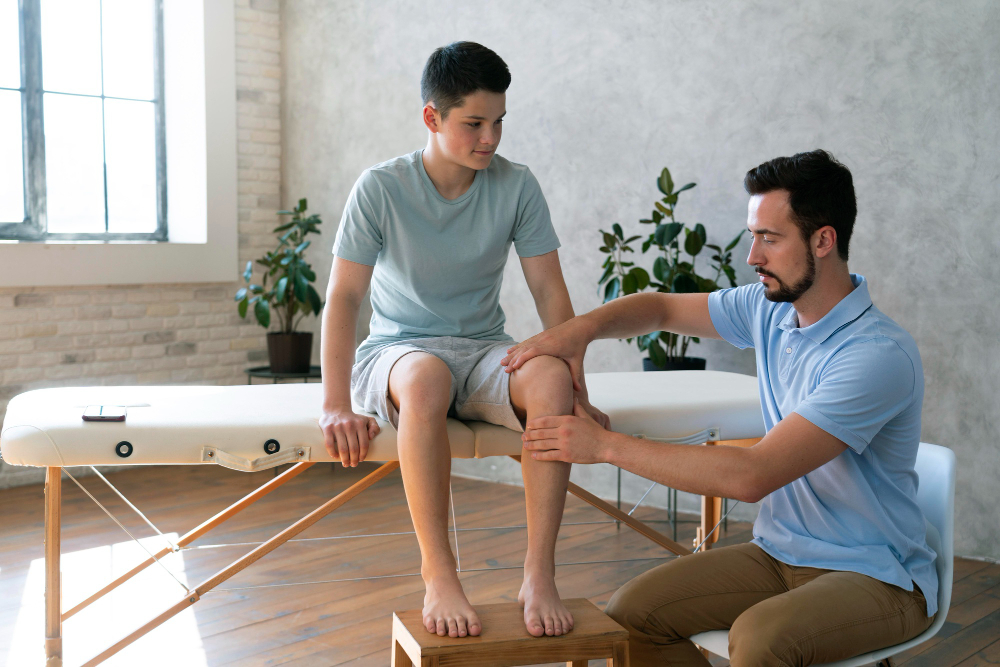
Physiotherapy for winter joint pain can make a big difference. A physiotherapist can help you move better and feel less pain. They use special exercises and treatments to reduce stiffness and swelling. With physiotherapy, you can keep your joints strong and flexible. This helps you stay active, even in cold weather. For people with arthritis, physiotherapy is a key part of winter arthritis management.
Effective Physiotherapy Techniques and Exercises for Winter Joint Pain
Physiotherapists use many methods to help with joint pain relief in cold weather. Some common techniques include:
Before starting any exercise, talk to a physiotherapist. They can show you safe moves for your needs. For example, they may suggest simple stretches or easy home exercises. This helps prevent injury and keeps you motivated.
Lifestyle Tips and Home Care for Managing Joint Pain in Winter
Besides physiotherapy, you can try these tips at home:
Additionally, drinking enough water helps keep your joints healthy. If pain gets worse or does not improve, see a healthcare provider.
Prevention Strategies for Winter Joint Pain
While you cannot control the weather, you can take steps to prevent winter joint pain. Here are some helpful strategies:
For people living in colder regions, these steps are even more important. Prevention can help you enjoy winter with less pain.
Conclusion: Take Control of Winter Joint Pain
Winter joint pain can be tough, but you have options. Physiotherapy for winter joint pain offers safe and effective relief. With the right exercises and care, you can stay active and comfortable. If you struggle with joint pain in cold weather, do not wait. Consult a physiotherapist for personalized advice on managing winter joint pain.